
Our work
Research projects
In-depth projects on how governments and international institutions understand and prepare for global catastrophic risk.
Complex Global Shocks
Some crises hit many countries and sectors at once, disrupting food, energy, water, supply chains or communications for a large share of the world’s population.
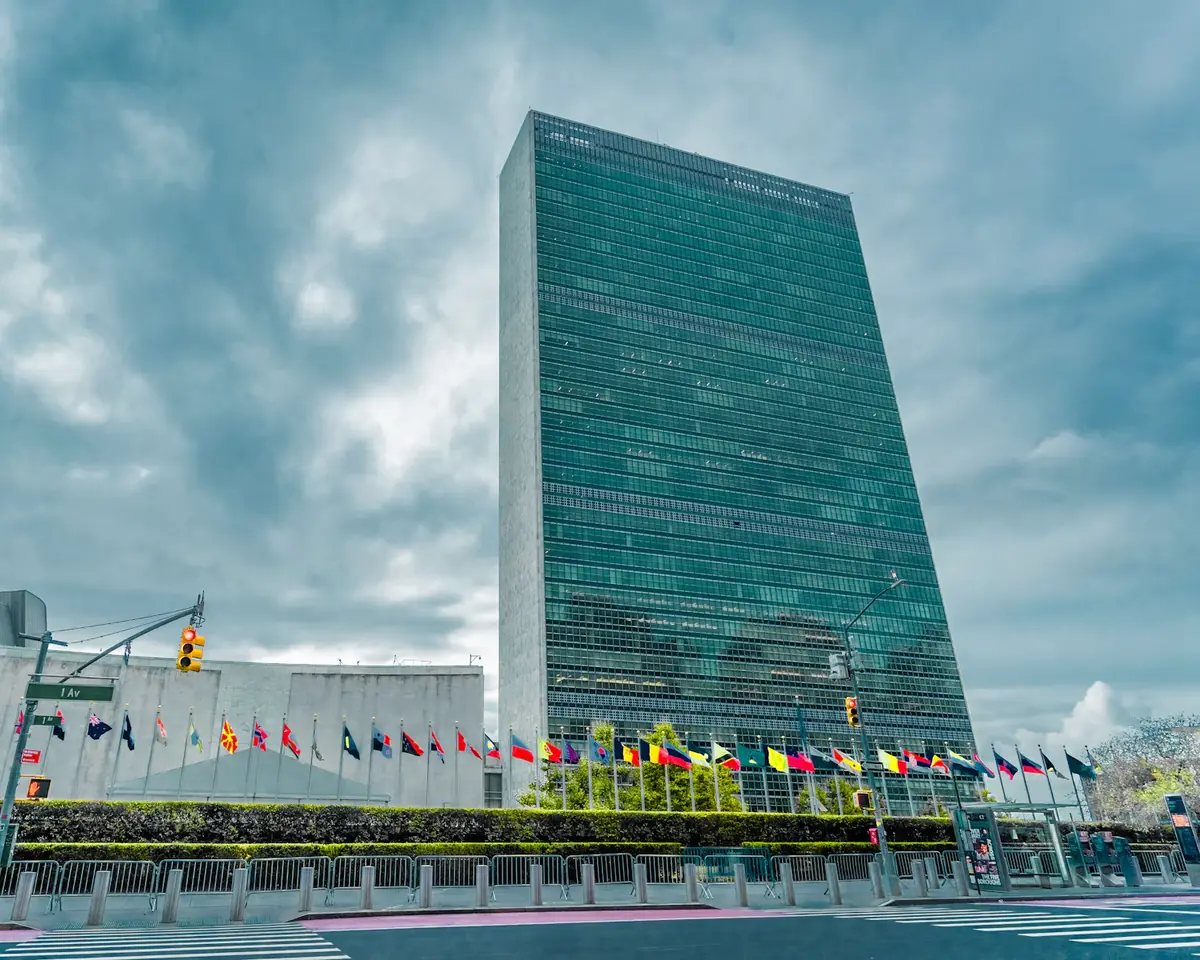
Researchers describe these complex global shocks by three features. They’re systemic and cascading, spreading from one sector and country to the next. They’re overwhelming, hitting a large share of the world’s population at once and the most vulnerable hardest. And they’re compounding: each shock drains the resources available for the next. In 2024, 193 governments recognized the need for a more coherent and coordinated international response to them in Action 54 of the UN Pact for the Future.
Our research looks at how the UN system can prepare for complex global shocks: how risks are monitored, who coordinates the response, and how it’s paid for.
Guardrails and Gap Analyses
In December 2025, the Australian Government decided not to introduce mandatory guardrails for AI and to rely on existing laws instead. Our report is the first independent assessment of that decision and of the work under way across government to update Australia’s rules for AI. It draws on freedom of information requests to 40 Commonwealth agencies and desktop research that found 50 separate processes looking at AI’s impact on regulation.
In practice, it shows which safeguards are being reviewed, where the work is thin, and where serious and catastrophic risks still fall through the gaps.